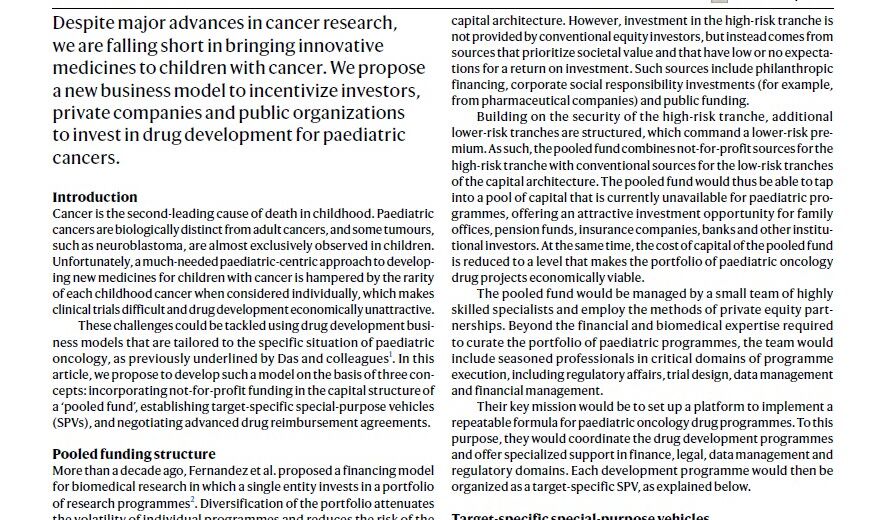

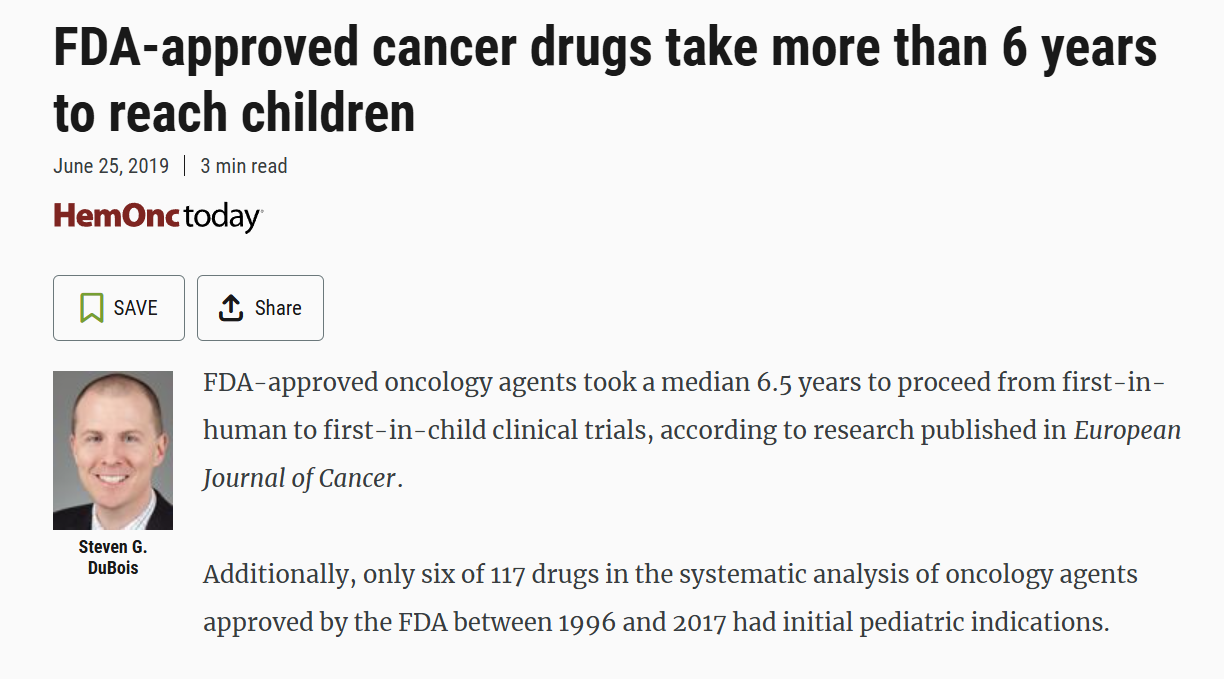
Do FDA-approved Cancer Drugs Really Take 6 Years to Reach Children?
Recommendations:
- Increase funding for pediatric cancer research
- Provide incentives for pharmaceutical companies to develop pediatric cancer treatments
- Expand pediatric clinical trial networks to improve patient recruitment
Perspective: Funding for certain aspects of childhood cancer has increased through programs such as the Childhood Cancer STAR Act and the Childhood Cancer Data Initiative. Incentive programs like the Rare Pediatric Disease Priority Review Voucher (renewed recently) encourage pharmaceutical investment in pediatric treatments. Consolidated pediatric cancer clinical trial networks, we hope, will recruit patients more efficiently across hundreds of sites.
Conclusion: Although progress is being made, children with cancer have faced longstanding delays in accessing new treatments. Renewed investment in research, incentives, and clinical trial expansion would help ensure that innovative therapies reach pediatric patients more quickly.