This
commentary in Cancer Cell by Heffernan and Draetta argues that advances in biology, biotechnology, data science, and artificial intelligence are transforming cancer research and leading to more effective treatments. New technologies help scientists better understand how tumors develop and respond to drugs. The authors argue that stronger collaboration between academic researchers and the pharmaceutical industry could speed up drug development, improve target identification, and clinical trials, and bring innovative cancer treatments to patients more efficiently, ultimately, improving outcomes for patients and increasing the success rate of cancer therapies.
Recommendation 1: Letting clinical data (patient material) inform drug development, in concert with real time academic-pharma collaborations for drug development
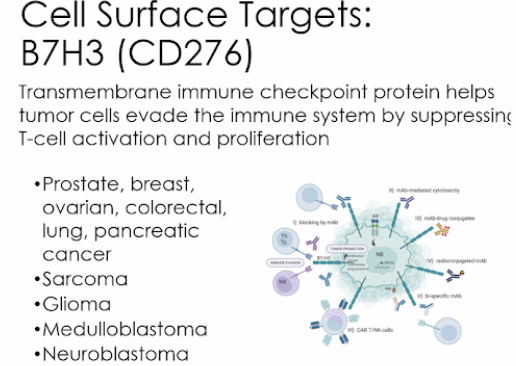
Recommendation 2: Diversifying the drug targets sought by pharma as a field
Recommendation 3: More robust preclinical research, cross-correlated using a variety of techniques
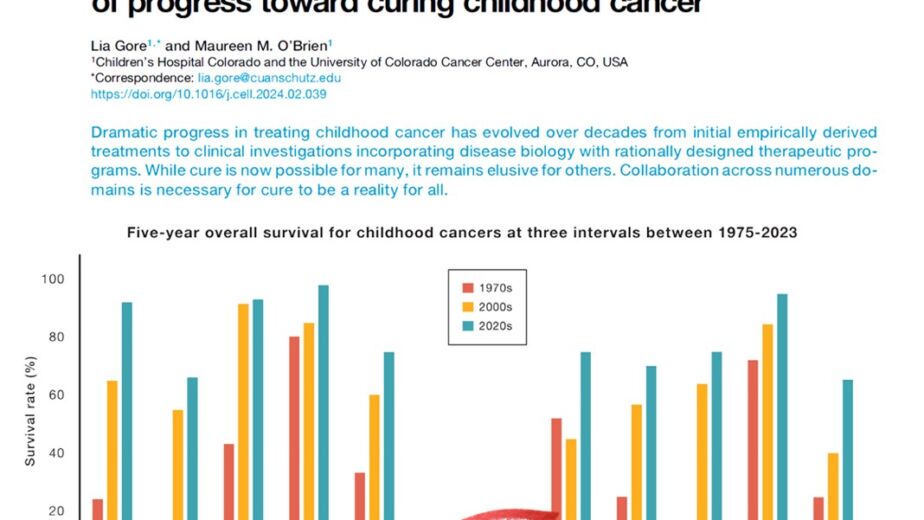
Our Perspective: Real time academic-pharma collaborations for drug development are an initiative of Cancer Research UK, and key advances are occurring (including for pediatric cancers). These collaborations are often driven by common scientific interests and complementary expertises. Groups like CRUK, FNIH and other venture philanthropy-driven organizations can be the impactful catalysts.