
Drs. Gore and O’Brien published this landmark review for Cell in 2024, recapped below.
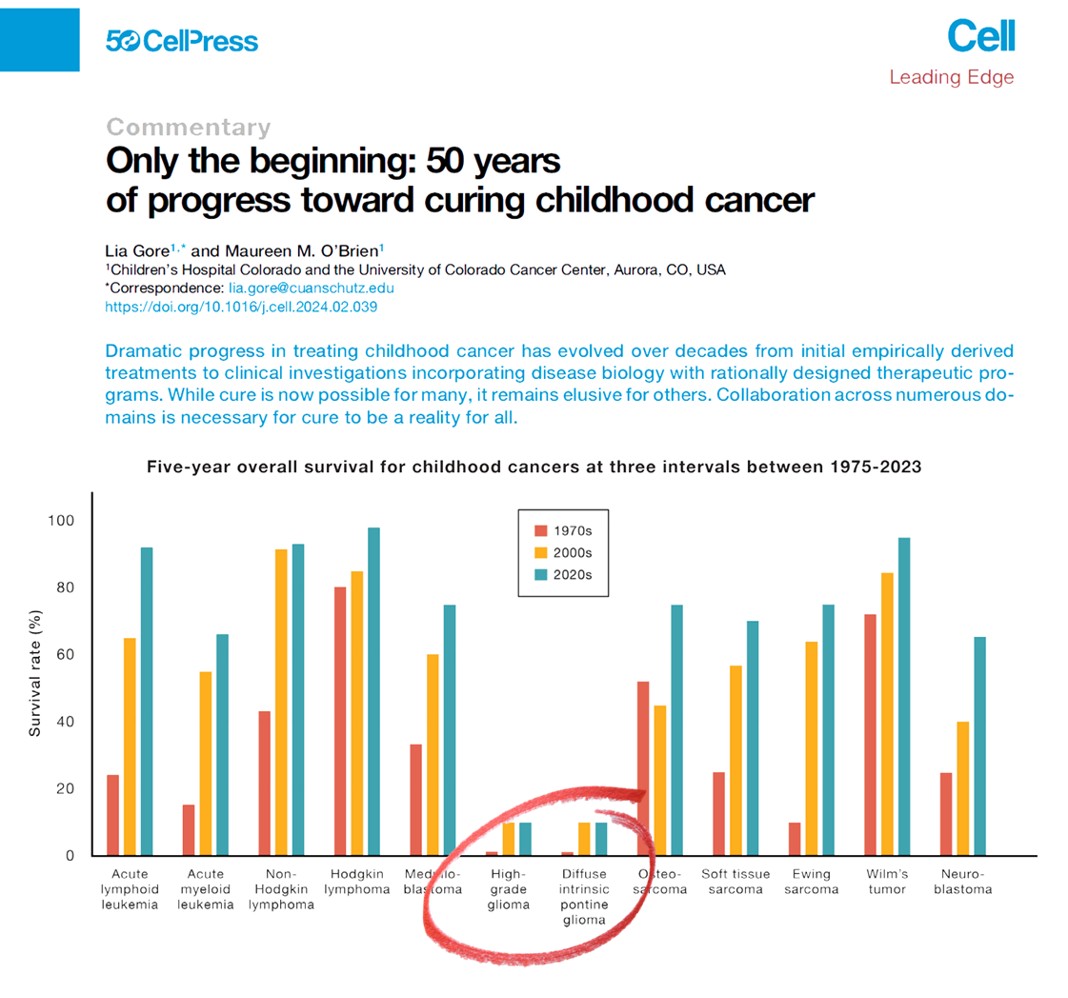
Over the past 50 years, childhood cancer has shifted from being largely fatal to highly survivable, with survival rates now exceeding 85% due to advances in treatment, research, and collaboration. We can attribute a lot of this progress to improved chemotherapy, targeted therapies, immunotherapy, safer supportive care, and large multicenter clinical trials. Key progress includes better risk stratification (using clinical features, genetics, and treatment response), discoveries in genomics that led to targeted treatments, and more effective combinations of chemotherapy, surgery, radiation, and stem cell transplants. Immunotherapies like CAR T-cell therapy and monoclonal antibodies have also significantly improved outcomes. However, there are still some diagnoses (infant acute lymphoblastic leukemia, metastatic sarcoma, diffuse intrinsic pontine glioma) whose treatments have not made significant progress. For cancer subtypes with better survival, the treatment regimens still remain highly toxic with highly imposing long-term side effects. Overall, many major advancements have been made, and these advancements serve as a foundation for continued work to improve cure rates and reduce long-term impacts.
Recommendation 1: Develop more targeted and less toxic treatments/treatments with less long term side-effects – and make those treatments available, and affordable, worldwide. Future research should focus on therapies that specifically target cancer cells (like genetic or immunotherapies) to improve survival while reducing harmful long-term side effects from intense treatments.
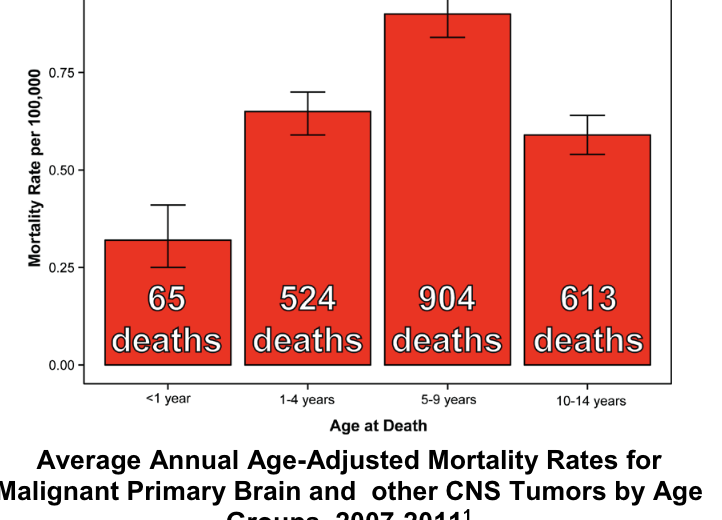
Recommendation 2: Increase funding for research on hard-to-treat cancers. More effort and funding should go toward cancers that still have poor outcomes (such as infant acute lymphoblastic leukemia, metastatic sarcoma, diffuse intrinsic pontine glioma) to find new and more effective treatment options.
Recommendation 3: Expand survivorship care and research. Some of survivorship issues can be addressed by changes to treatment regimens, too (many such changes/additions to therapy are available even now). As more children survive cancer, healthcare systems should improve long-term follow-up care, including making sure that the cancer does not come back.
Here is our perspective:
Recommendation 1: Research that goes into therapies that specifically target cancer cells has increased dramatically over the past few years. Some new advancements include targeted molecular therapies, AI-designed precision immunotherapies, and proteolysis targeting chimeras (PROTACs or bioPROTACs).
Recommendation 2: The middle of the graph by Gore & O’Brien is undeniable … DIPG and High Grade Gliomas need new options. If breakthrough treatments also help adults with disease(s), the return on investment makes the quoted $0.765-4.6B oncology product drug development cost more approachable for investors. Even better are platform technologies with much lower development costs (ADCs, bioPROTACs).
Recommendation 3: Care and research for childhood cancer survivors has expanded, with the help of major initiatives such as the Childhood Cancer Data Initiative and the Childhood Cancer Survivor Study (CCSS), who study thousands of survivors to guide new care protocols. Some of these expansions include an increasing number of pediatric oncology clinics offering long term follow up appointments, and the creation of risk-based care plans, such as Passport for Care which helps track treatments histories to figure out when it would be prompt to go in for a health screening.
Overall, many major advancements have been made in treating childhood cancer, but there is still work to be done. New treatments need to be developed, and there needs to be more funding that goes into the research for that. Federal funding has traditionally been critical – in the new world economy, a for-profit model reimagining dual-indication childhood cancer-plus-adult drugs may be a sustainable path.