

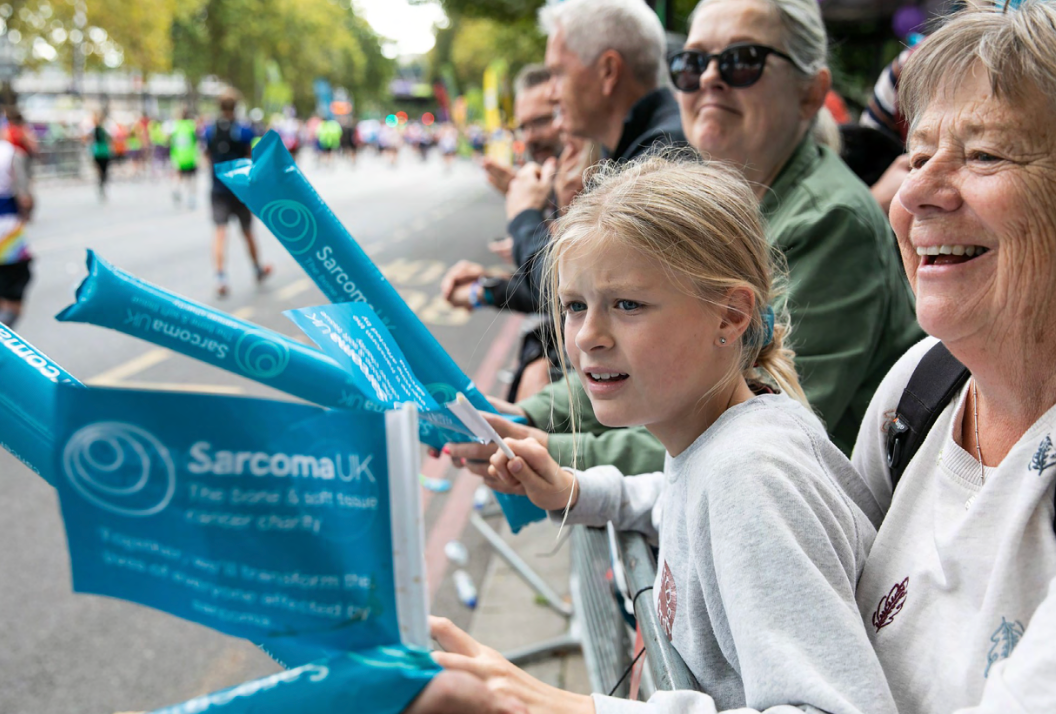
Sarcoma UK is a nonprofit organization who published this concise seven page 5 year strategy. The summary & perspectives by Lucy and team is below.
Summary
Sarcoma cases in the UK are increasing, with thousands diagnosed each year and many more expected in oncoming years. While survival rates and patient experiences have improved due to medical progress and advocacy, progress is still slow compared to other cancers. Many patients face delayed diagnoses, limited awareness, unequal access to care, and a lack of research funding, with few new treatments developed in recent decades. The approval of sarcoma drugs is infrequent, with some sarcoma patients still being treated with drugs from the 1970s. To address these issues, Sarcoma UK’s new 2026–2031 strategy aims to expand support, improve diagnosis and treatment, increase research funding, and strengthen collaboration across the healthcare system. The goal is to ensure faster diagnoses, better care, and equal access to support so that patients can live longer, healthier lives.
Recommendation 1: Healthcare providers should be trained to recognize sarcoma symptoms sooner, and there need to be public awareness campaigns, so that patients seek help earlier from specialists, reducing dangerous delays in diagnosis.
Recommendation 2: Patients should be referred more quickly to specialized sarcoma centers, where outcomes and patient experiences are better.
Recommendation 3: More government and private funding should be allocated toward developing new treatments and understanding the sarcoma, especially since it has been underfunded compared to other cancers. International collaboration is cited as a key new effort.
Our Perspective
Recommendation 1: Healthcare providers and receiving increased training to be able to detect sarcoma faster may be indeed occurring due to efforts by Sarcoma UK and charity-funded initiatives. Resources being used include online induction packs, and a GP sarcoma diagnostic toolkit to aid in recognizing symptoms and referral pathways. There is an ongoing effort to increase public awareness of sarcoma in the UK. Initiatives include the annual Sarcoma Awareness Month in July, “Rare but Real” walks, and the
“Don’t Delay” campaign for early diagnosis. These campaigns focus on educating general practitioners, physiotherapists, and radiologists in an effort to improve referral times, as well as the general population, so that they have tools to reach out if they think something is wrong. In the US, Sarcoma Foundation of America has parallel efforts.
Recommendation 2: Efforts have been made to speed up referrals through updated guidelines, and the implementation of new standards; however, sarcoma patients in the UK may still face significant delays. It is difficult to tell whether sarcoma referral speeds have improved, however, there is evidence suggesting that most patients still see a GP many times before referral. In October 2023, the UK National Health Service (NHS) implemented a “Faster Diagnosis Standard”; (FDS). This standard aims for patients to receive a diagnosis or have cancer ruled out within 28 days of an urgent referral.
Recommendation 3: More funding is being directed toward sarcoma research in the UK, with Sarcoma UK awarding £1.4 million to 12 projects in 2025 to improve treatments. There has been specialized funding for rare subtypes, such as a £800,000 investment by charities for Ewing sarcoma. Since 2009, over £10 million has been invested by the charity to support research into early diagnosis, immunotherapy, and targeted therapies, with a strong focus on improving patient survival rates. In conclusion, although progress has been made in improving survival and patient experiences for sarcoma, significant challenges remain, including delayed diagnoses, limited awareness, and underfunding of research. The current system still leaves many patients at a disadvantage, emphasizing the urgent need for stronger action. By increasing investment, improving early detection, and ensuring equal access to specialist care, crucial progress can be made toward better outcomes and a more equitable healthcare system for all sarcoma patients. We are especially heartened by the “international” scope of collaborations suggested by Sarcoma UK, and hope that these collaborations go across both academic and biopharma efforts.